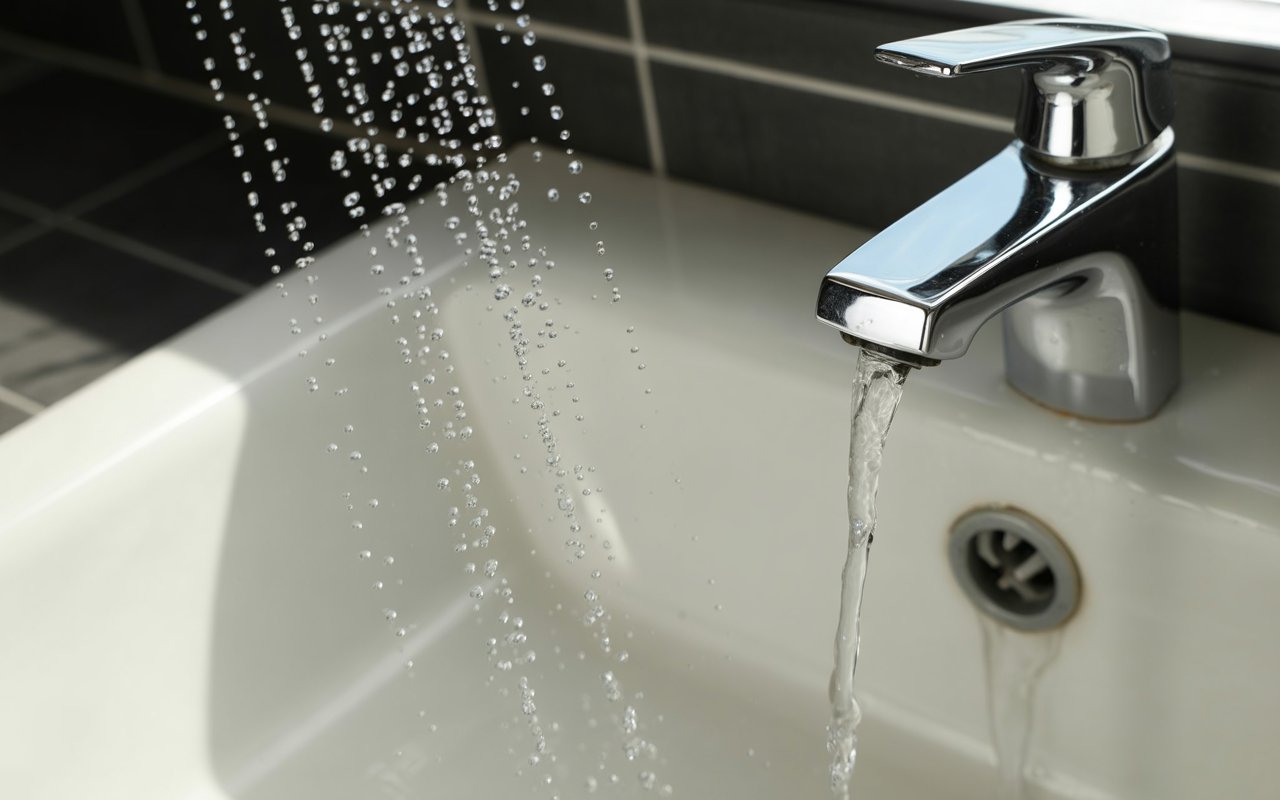
The Method of Performing Ghusl According to the Qur’an
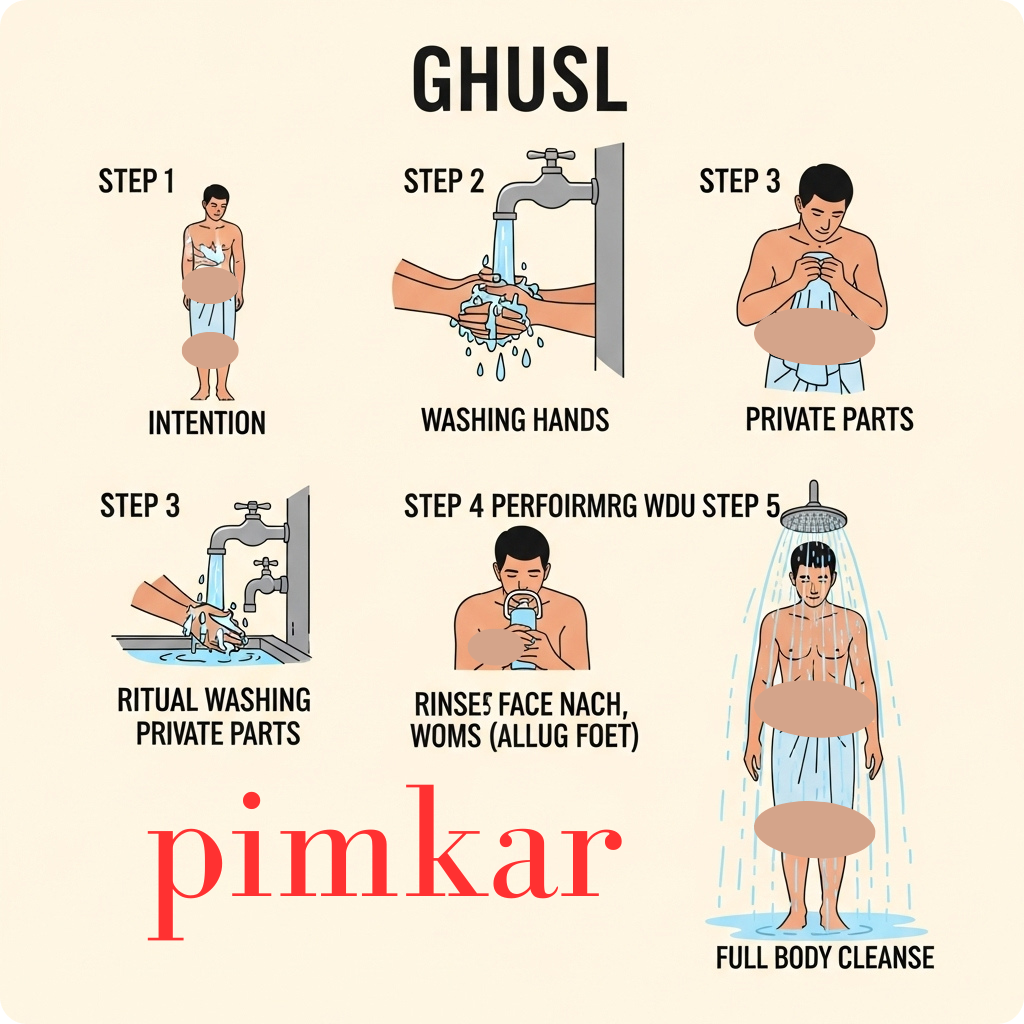
Ghusl is a full-body purification required in certain situations before performing Salah. The Qur’an explains both the obligation of Ghusl and the alternative method when water is not available, showing the ease and mercy of Islamic teachings.
Allah Almighty says in the Qur’an:
“And if you are in a state of major impurity, then purify yourselves.”
(Surah Al-Ma’idah, 5:6)
This verse clearly establishes that Ghusl is required when a person is in a state of major impurity.
Meaning of “Purify Yourselves” in the Qur’an
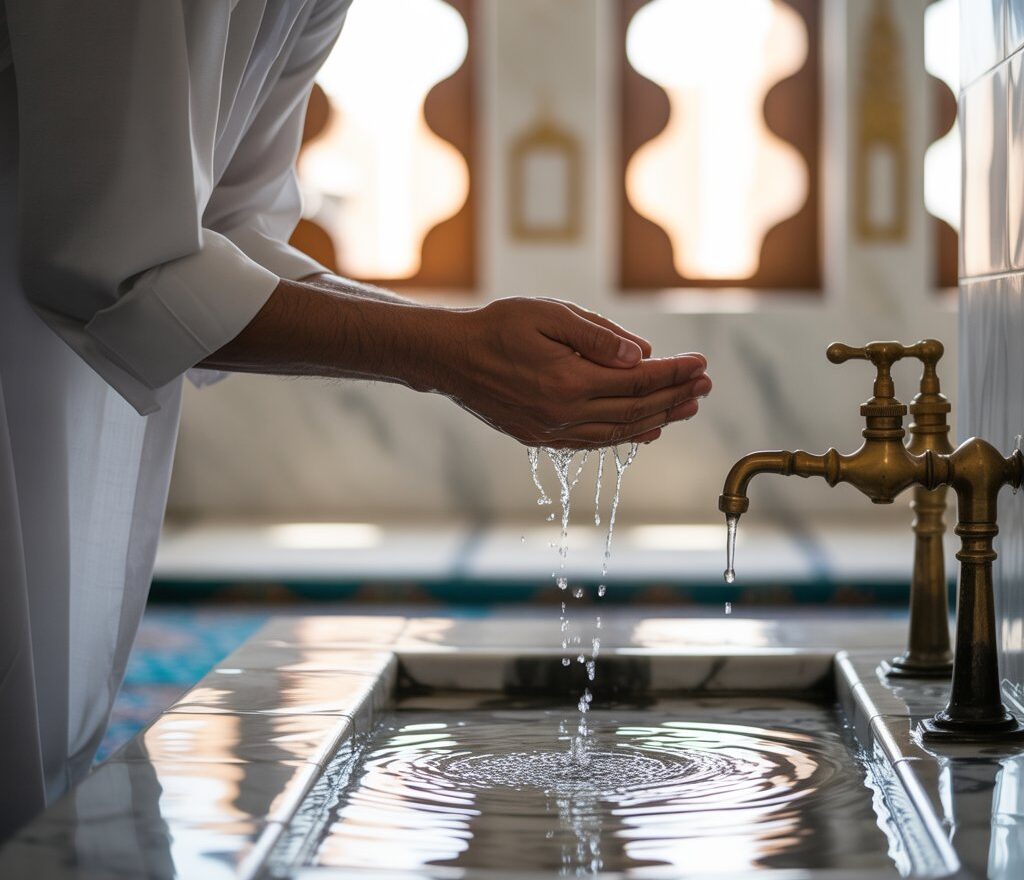
The command “purify yourselves” indicates complete purification of the body with water. Unlike Wudu, which involves specific body parts, Ghusl requires washing the entire body so that no part remains unwashed.
Allah also says:
“Do not approach prayer while you are in a state of impurity until you have washed yourselves.”
(Surah An-Nisa, 4:43)
This verse confirms that full-body washing is required before prayer when Ghusl is obligatory.
Basic Method of Ghusl According to the Qur’an
Based on the Qur’anic guidance, the essential requirements of Ghusl are:
- Using Water
Ghusl is performed with water, as it involves washing and cleansing. - Washing the Entire Body
The whole body must be washed completely to remove major impurity. - Becoming Pure for Prayer
The purpose of Ghusl is to prepare oneself to stand before Allah in Salah.
The Qur’an does not go into detailed steps, which shows that completeness and cleanliness are the main requirements.
What If Water Is Not Available?
The Qur’an also provides a clear alternative if water is not available or cannot be used.
Allah says:
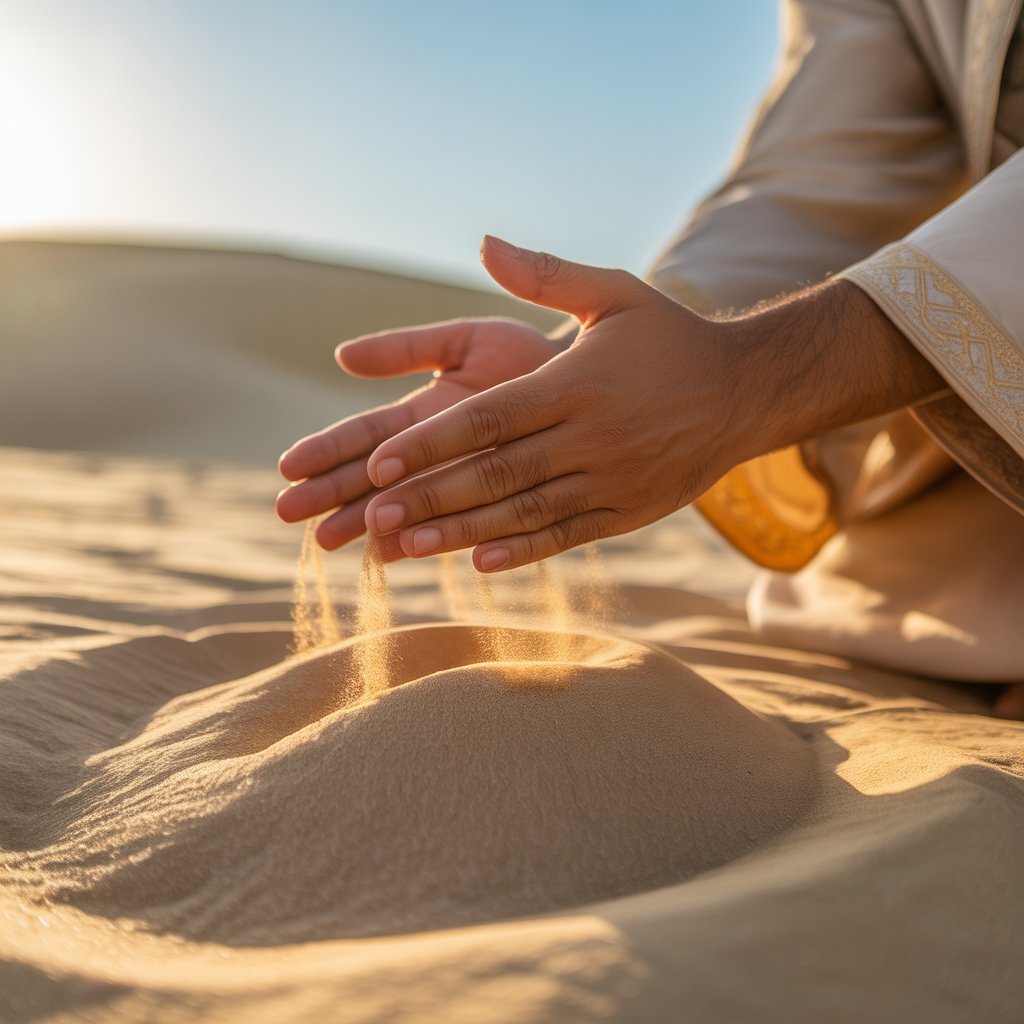
“But if you are ill, or on a journey, or one of you comes from relieving himself, or you have contacted women and do not find water, then seek clean earth and wipe over your faces and your hands with it.”
(Surah Al-Ma’idah, 5:6)
This verse shows that when water is not available, a person may perform Tayammum using clean earth as a substitute for purification, even in a state where Ghusl would normally be required.
Mercy and Ease in Purification
Allah explains the wisdom behind these rulings:
“Allah does not intend to place difficulty upon you, but He intends to purify you and complete His favor upon you so that you may be grateful.”
(Surah Al-Ma’idah, 5:6)
This makes it clear that Islam prioritizes ease, cleanliness, and accessibility in worship.
Conclusion
According to the Qur’an, Ghusl is performed by washing the entire body with water to remove major impurity. However, if water is not available or cannot be used, the Qur’an allows purification through Tayammum using clean earth. This Qur’anic guidance ensures that no believer is prevented from worship due to hardship.
Understanding these rules from the Qur’an highlights Allah’s mercy and the balance between purity and ease in Islam.